
1
/
of
1
Aero Rarities
Bomb - WW1 Austro-Hungarian 10kg Skoda (Set of 8)
Bomb - WW1 Austro-Hungarian 10kg Skoda (Set of 8)
Regular price
$9.00 USD
Regular price
Sale price
$9.00 USD
Shipping calculated at checkout.
Quantity
Couldn't load pickup availability
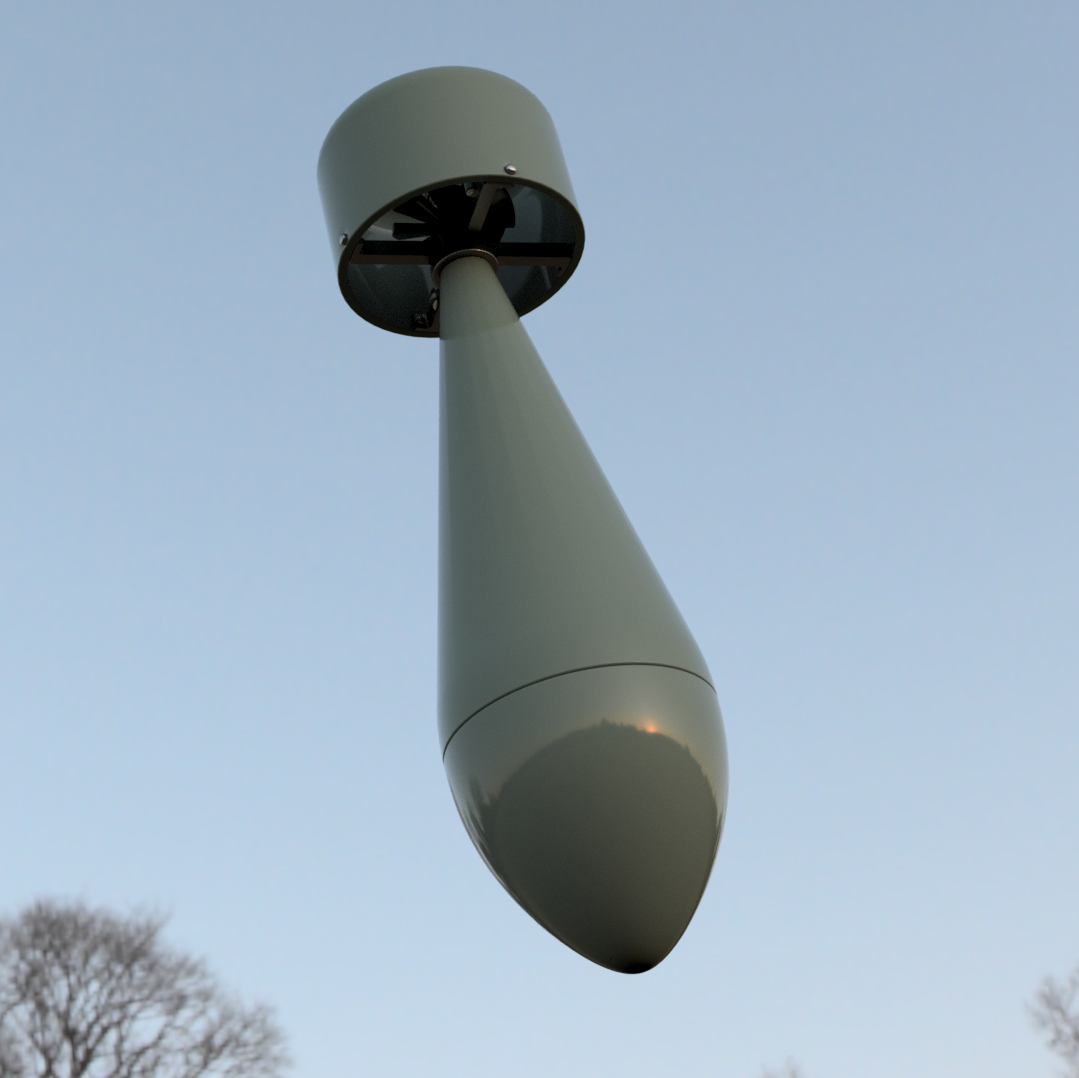
Comprising: Eight historically accurate scale models in high-resolution, unpainted, 3D-printed resin. Available in your choice of 1/32, 1/48, or 1/72 scale.
History and Use: The 10kg Škoda aerial bomb was a purpose-built light explosive munition developed and manufactured by Škoda Works for the Austro-Hungarian Empire's K.u.K. Luftfahrtruppen during the middle years of the Great War. Introduced as the air service shifted away from improvised artillery-shell conversions toward standardized aerial weapons, the 10kg bomb was constructed with a steel body and a sheet-metal tail unit fitted with a mechanical impact fuze. It was intended for use against personnel, supply columns, light field works, railway targets, and other soft objectives where larger bombs were unnecessary or impractical. Production was part of Škoda’s broader wartime bomb program, which supplied standardized light, medium, and heavy aerial munitions to Austro-Hungarian aviation units through 1918.
Operational Use: Its relatively light weight allowed two-seat reconnaissance and light bomber aircraft to carry multiple bombs on external racks, making it suitable for tactical bombing in support of ground operations as well as routine offensive patrol work on the Italian and Eastern fronts. It filled the same tactical niche as Germany’s P.u.W. 12.5kg bomb: a compact, reliable, easy-to-carry demolition bomb suitable for the small, low-powered aircraft that made up most of the K.u.K. air service. Aircraft types documented to have carried the 10kg Škoda include the Aviatik B.II (Berg) and C.I (Berg); Hansa-Brandenburg C.I; Lohner B-series and Lohner C; Lloyd C.II; and the UFAG C.I.
Note: Images may include digital renderings of the actual 3D designs used to produce this scale model. Each scale is customized to ensure the highest level of detail and historical accuracy, while balancing the limitations of the printing process to produce the most pleasing results.