
1
/
of
1
Aero Rarities
Bomb - WW1 German Goldschmidt Cylindrical Incendiary (Set of 8)
Bomb - WW1 German Goldschmidt Cylindrical Incendiary (Set of 8)
Regular price
$9.00 USD
Regular price
Sale price
$9.00 USD
Shipping calculated at checkout.
Quantity
Couldn't load pickup availability
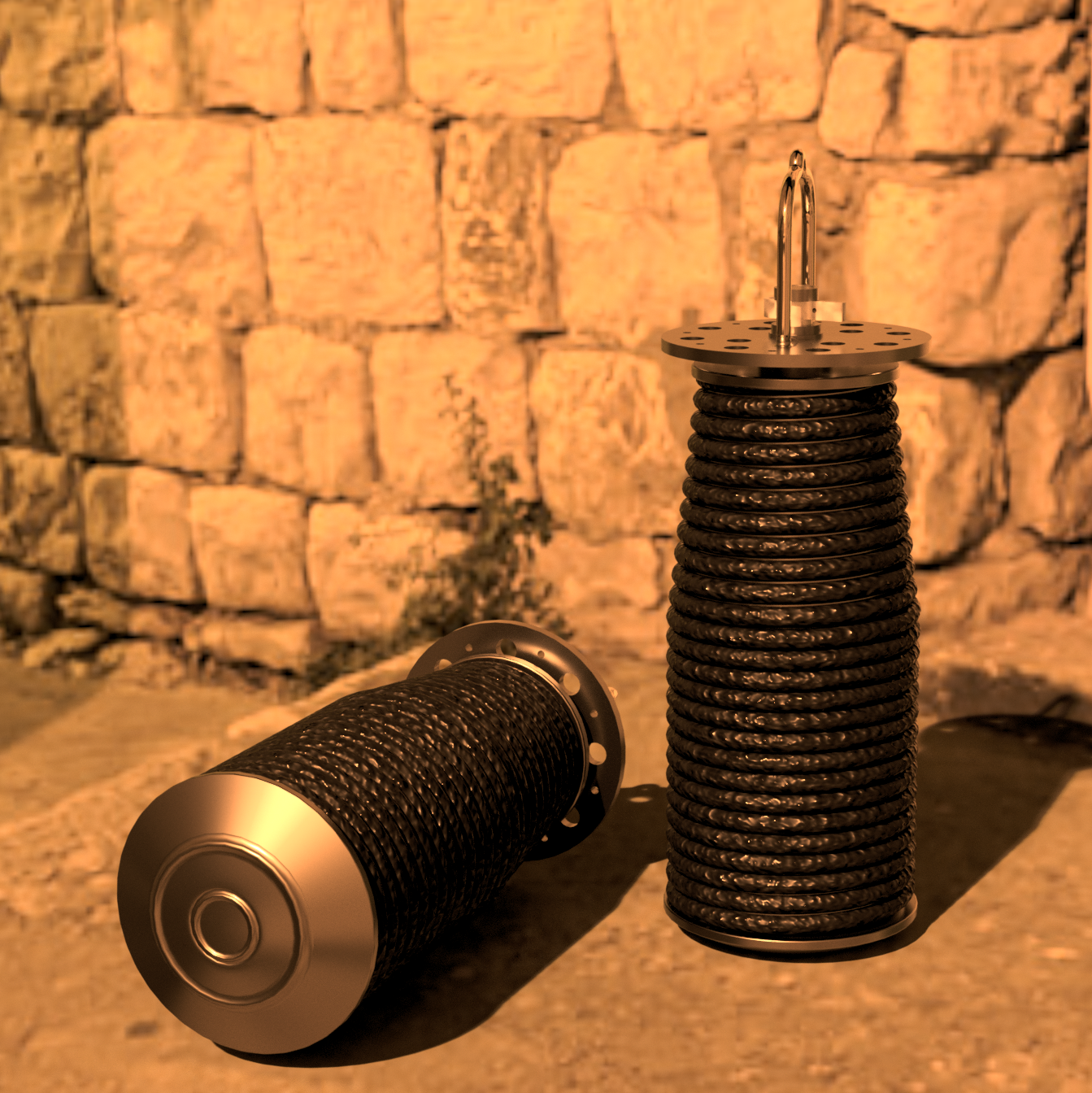
Comprising: Eight historically accurate scale models in high-resolution, unpainted, 3D-printed resin. Available in your choice of 1/32, 1/48, or 1/72 scale.
History: Early during the Great War, Germany developed dedicated incendiary aerial bombs to supplement high-explosive ordnance in the bombing raids conducted initially by airships and later by fixed-wing bombers. A principal design was the Goldschmidt incendiary bomb (generally the 10kg Thermitbrandbombe), named for chemist Hans Goldschmidt and based on his thermite reaction. Weighing about 10kg, it consisted of an inner thermite-filled cylinder surrounded by benzol and wrapped in tarred rope to intensify burning on impact. This bomb produced an intense, sustained fire intended specifically to ignite urban and industrial targets.
Operational Use: From 1915, Goldschmidt incendiaries were routinely included in bomb loads carried by Luftstreitkräfte and Marine-Luftschiff-Abteilung airships (specifically LZ 38, LZ 39, LZ 47, LZ 49, and naval L 13, L 15, L 31, and L 33) during raids on Britain and France, and later by R-type heavy bombers. Among these aerial giants, the Zeppelin-Staaken R.VI is confirmed in period ordnance listings and operational accounts as having delivered Goldschmidt incendiaries, while other German R-type bombers also carried small incendiary bombs that may have included Goldschmidt types.
Note: Images may include digital renderings of the actual 3D designs used to produce this scale model. Each scale is customized to ensure the highest level of detail and historical accuracy, while balancing the limitations of the printing process to produce the most pleasing results.