

1
/
of
3
Aero Rarities
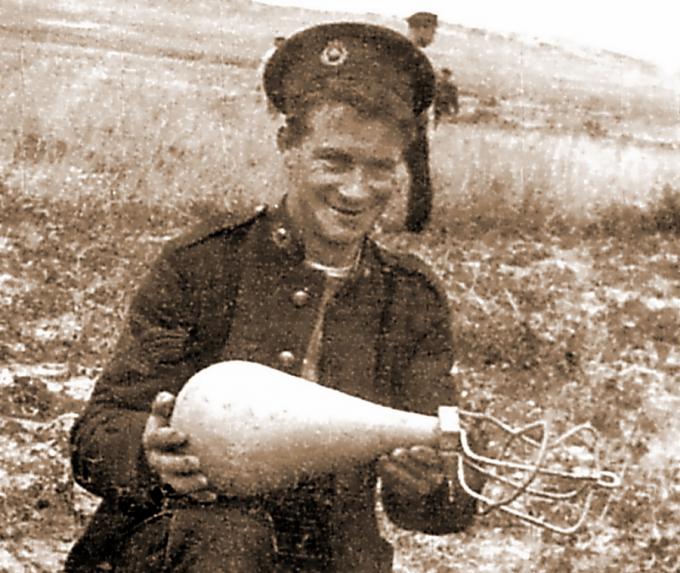
Bomb - WW1 German Carbonit Sprengbombe (Cage Type) (Set of 8)
Bomb - WW1 German Carbonit Sprengbombe (Cage Type) (Set of 8)
Regular price
$9.00 USD
Regular price
Sale price
$9.00 USD
Shipping calculated at checkout.
Quantity
Couldn't load pickup availability
Comprising: Eight historically accurate scale models in high-resolution, unpainted, 3D-printed resin. Available in your choice of 1/32, 1/48, or 1/72 scale.
History: Among the earliest standardized aerial bombs employed by the air services of the German Empire, this bomb belonged to the Carbonit family of bombs—generally produced in 4.5kg, 10kg, 20kg, and 50kg weight classes—named for the explosive compound manufactured by Sprengstoff A.G. Carbonit that commonly filled them.
These bombs represented the first practical German aircraft-designed munitions following earlier experimental designs developed by the Artillerie-Prüfungs-Kommission before the war. The 10kg type consisted of a thick pyriform cast-iron body filled with roughly 2 to 3 kg of high explosive (usually Carbonit or later TNT), fitted with a nose-impact fuze protected by a circular guard and stabilized in flight by a simple open metal tail frame.
Production numbers are not precisely known but were evidently large, as these bombs formed part of the standard German aerial ordnance inventory until about 1916, when they were gradually replaced by the more aerodynamic bombs developed by the Prüfanstalt und Werft der Fliegertruppen (P.u.W.).
Operational Use: Serving primarily as an anti-personnel and light-target fragmentation weapon, this bomb equipped a range of German reconnaissance aircraft, two-seat combat aircraft, and heavy platforms, including rigid airships. Because of its relatively small size, aircraft could carry multiple bombs at once, often dropped manually by the observer from racks or internal stowage before standardized release gear became widespread.
Aircraft types documented or widely reported to have carried this bomb include the A.E.G. C.I; Aviatik B.I and C.I; Albatros B.I and C.I; DFW C.I; Friedrichshafen FF.33; Gotha G.I; LVG B.I and C.I; Rumpler B.I and C.I; and the rigid airships of the Zeppelin fleet. A variant of this bomb is said to have been utilized by Spain (equipping the Barrón Flecha) during the Rif War.
Note: Images may include digital renderings of the actual 3D designs used to produce this scale model. Each scale is customized to ensure the highest level of detail and historical accuracy, while balancing the limitations of the printing process to produce the most pleasing results.